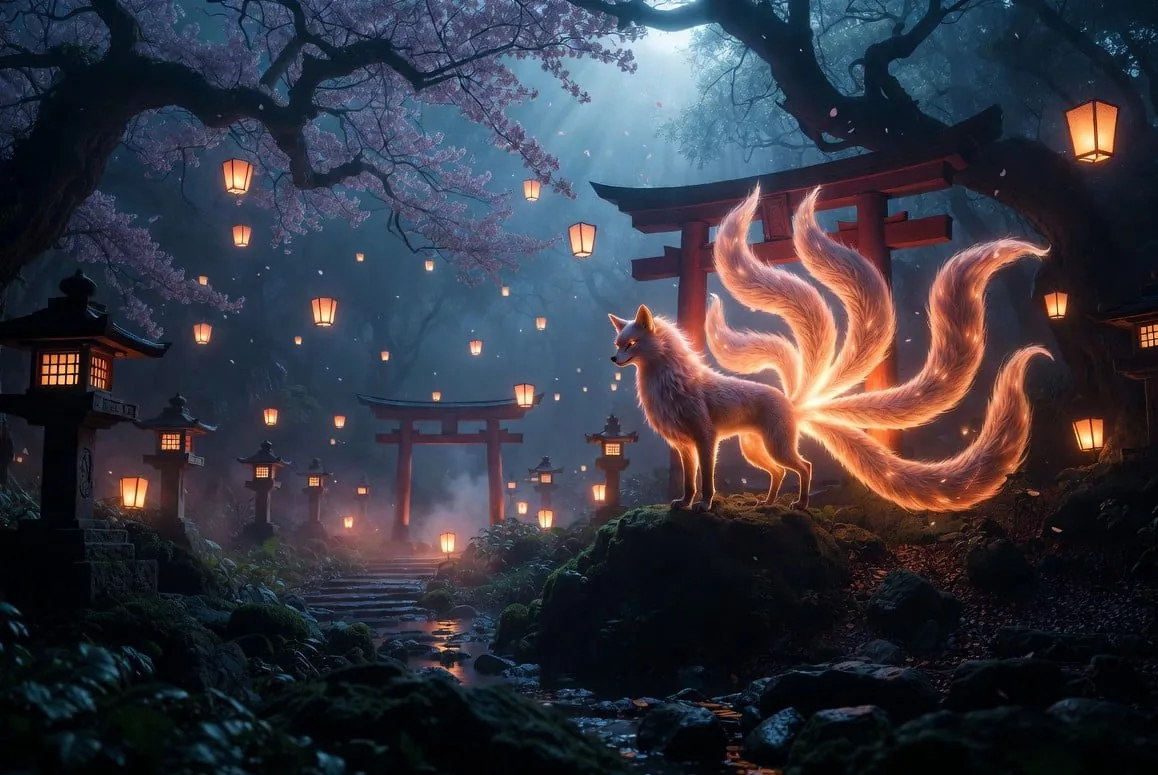
A digital sanctuary from the heart of Japan. We explore the shadowy realms of supernatural creatures and timeless folklore tales to awaken your inner spirit.
Welcome to Node Axis Point. Based deep in the cultural heartbeat of Japan, our blog is dedicated to the eternal echoes of samurai legends, the mischief of fox spirits, and the divine will of Shinto gods. We believe that ancient myths are not just stories from the past but living maps that guide our present reality. From the wrath of dragons to the subtle whispers of yokai, we translate these dense folklore tales into daily wisdom.
Our journey began with a single question: What if the supernatural creatures in old paintings were real forces shaping our emotions and decisions? We dig beneath the surface of Japanese demons and heroic epics to find the raw truth. Node Axis Point is your guide through the misty forests of legend, where every ancient myth holds a key to understanding courage, loss, and transformation.
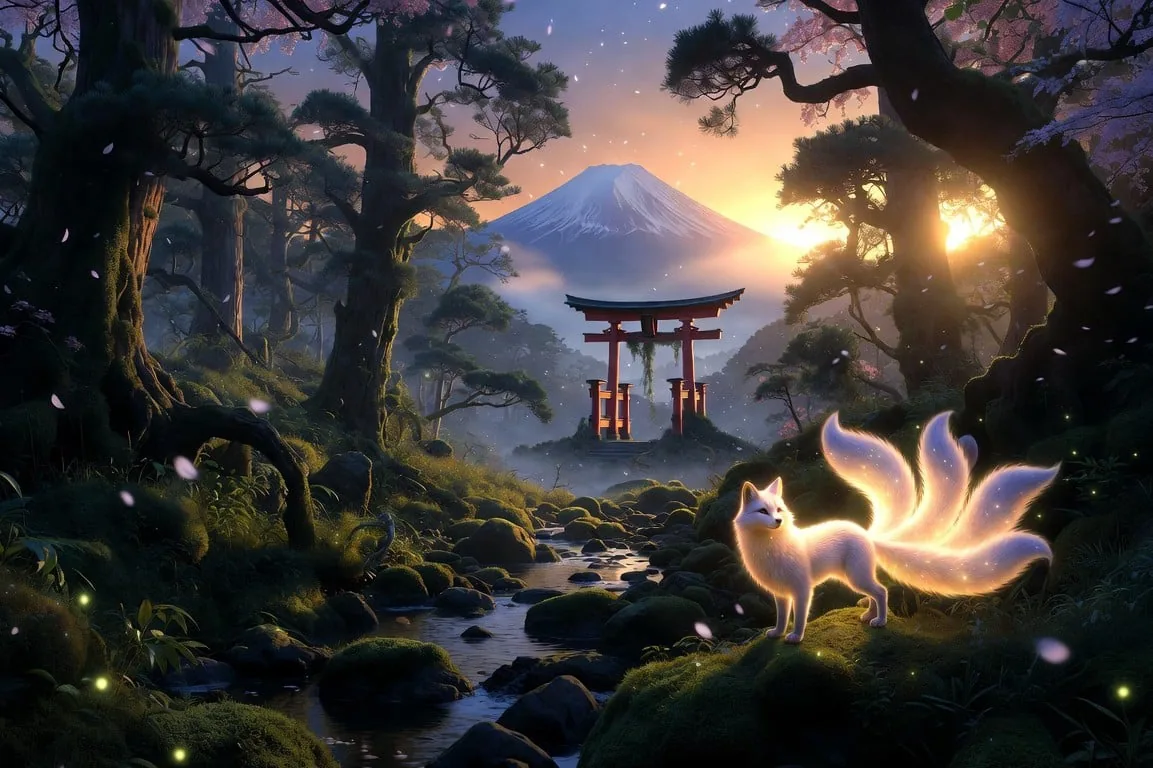
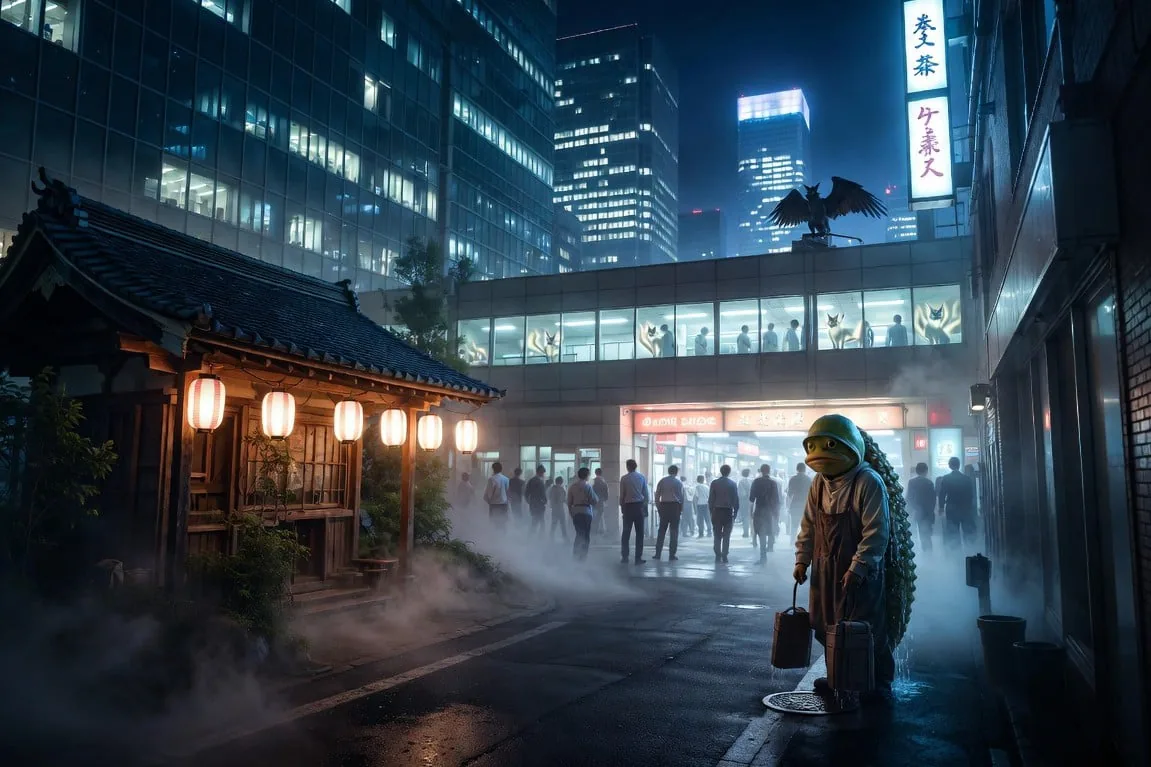
Not all yokai hide in mountains. This article explores how supernatural creatures like the Kappa and Tengu have adapted to modern cities. We uncover ancient myths hiding in alleyways and abandoned shrines, proving that Japanese demons never truly disappear—they just change shape. Discover how to spot the subtle signs of fox spirits in crowded train stations and what they want from you.
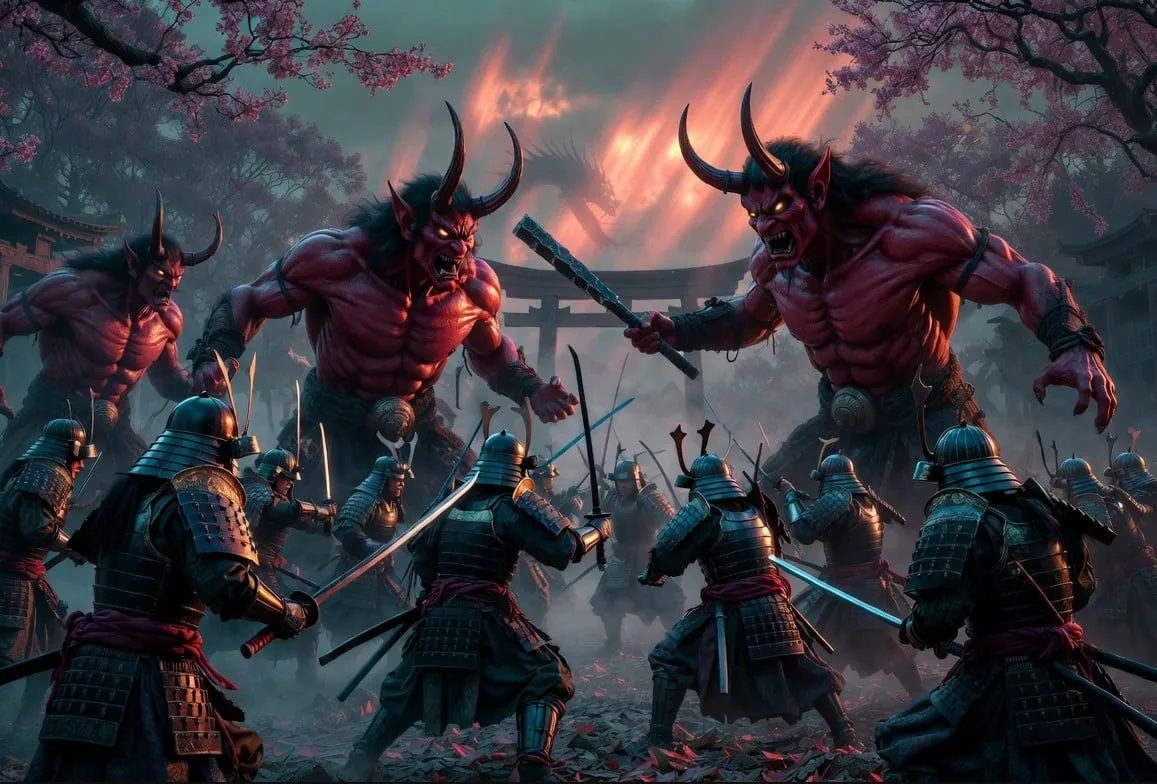
Were the greatest warriors battling flesh or spirit? We analyze classic samurai legends where heroes faced Japanese demons (Oni) to achieve enlightenment. This deep dive connects ancient myths of demonic armies with the real code of Bushido. Learn how dragons and yokai served as metaphors for inner chaos, and why every samurai respected the power of Shinto gods before a duel.
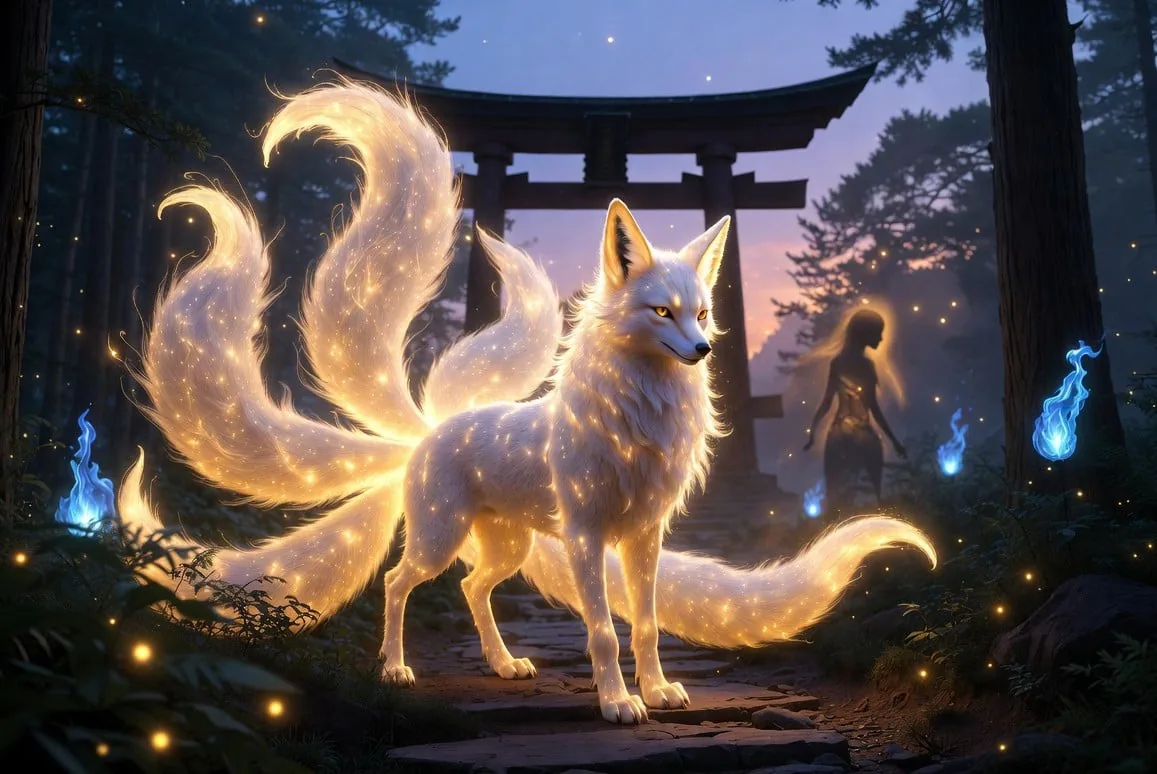
Fox spirits are the ultimate shapeshifters of folklore tales. This article separates the benevolent messengers of Shinto gods from the mischievous supernatural creatures who love to deceive monks. We examine ancient myths of celestial weddings, burned tails, and eternal loyalty. If you think you know kitsune, think again—these yokai hold the secrets to illusion and reality.
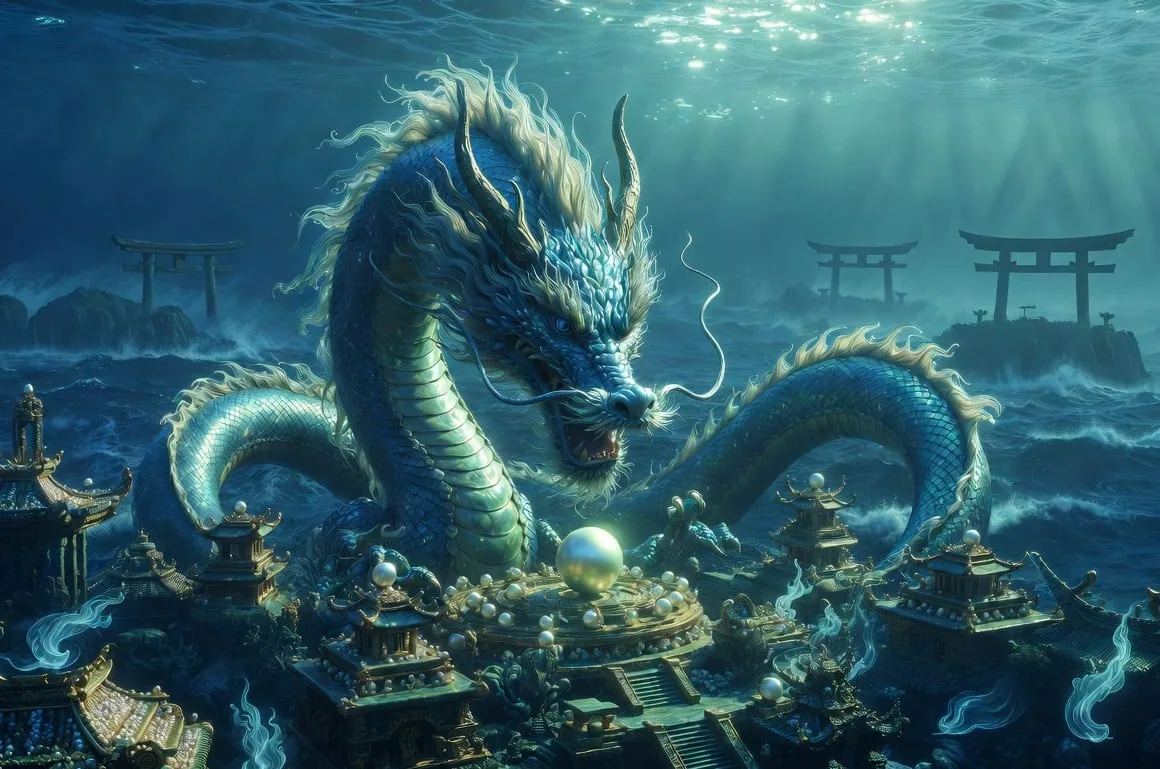
Unlike Western beasts, Japanese dragons are gods of water, wisdom, and royalty. This feature traces the ancient myths of Ryujin, the dragon king, and his influence on samurai legends. We explore how Shinto gods used dragons to create the islands of Japan. Plus, discover forgotten folklore tales about Japanese demons who tried to steal the dragon’s pearl and paid the ultimate price.
Our mission at Node Axis Point is to resurrect the forgotten dialogue between humans and supernatural creatures. We see yokai as mirrors reflecting our hidden fears, and fox spirits as teachers of adaptability. In a world that values only the tangible, we restore the sacred awe of Shinto gods and dragons. We strive to prove that ancient myths are not primitive fantasies but sophisticated psychological tools for resilience.
Furthermore, we aim to build a global bridge to authentic samurai legends and rare folklore tales. We protect the legacy of Japanese demons from commercial dilution. By sharing these stories without distortion, we help you find your own courage, mystery, and connection. Every article is a ritual—a respectful bow to the supernatural creatures who never left. Node Axis Point is where the veil between worlds grows thin.
We are located in Tokyo and work directly with local historians. Our content on Shinto gods and samurai legends comes from primary sources, not second-hand retellings. When we describe yokai or dragons, we use ancient scrolls and shrine records. You get the real texture of folklore tales, not Hollywood fantasy.
We go beyond simple storytelling. Each ancient myth is analyzed for its symbolic meaning in modern life. Why do fox spirits represent betrayal or cleverness? How do Japanese demons encode social taboos? We help you apply the wisdom of supernatural creatures to your personal growth and daily decisions.
Unlike generic blogs, we never mock or trivialize Shinto gods. We approach dragons and samurai legends with the reverence they deserve. Our descriptions of yokai and Japanese demons honor their origins. You will never find disrespectful jokes here—only a sincere exploration of ancient myths as living spirituality.
We provide detailed maps of supernatural creatures by region, rare folklore tales about fox spirits, and family samurai legends passed down for generations. Our database of yokai includes sketches and behavioral traits. For enthusiasts of dragons and Shinto gods, we offer insights you simply cannot find elsewhere.
Not exactly. Yokai is a broad umbrella term for supernatural creatures including spirits, shapeshifters, and omens. Japanese demons (Oni) are a specific type of yokai known for their brute strength and hellish origins. Many folklore tales mix both, but fox spirits and dragons are usually classified separately.
Yes, absolutely. Shinto gods (Kami) are worshipped daily at shrines across Japan. While urban life has changed, ancient myths about dragons and fox spirits are still honored through festivals, rituals, and even construction ceremonies. Belief in yokai is more folkloric, but respect for Shinto gods remains deeply rooted.
We recommend starting with classical folklore tales like the Heike Monogatari, which features samurai legends intertwined with Japanese demons and ghosts. For yokai, look for illustrated encyclopedias by Toriyama Sekien. Our blog also breaks down specific ancient myths about dragons and fox spirits from original scrolls.
It depends on context. Shinto gods like Amaterasu hold cosmic power. Among yokai, the nine-tailed fox spirits are incredibly potent. Dragons control oceans and weather. However, many samurai legends show that clever humans can outwit even the strongest Japanese demons. Ancient myths often emphasize wisdom over brute force.
Fox spirits (Kitsune) are a class of their own. While most yokai are chaotic or neutral, fox spirits serve Shinto gods like Inari. They can be benevolent or malicious. Unlike common Japanese demons, fox spirits grow more tails with age and wisdom. In folklore tales, they often marry humans, which is rare for other supernatural creatures.